Okay, it’s time for one of the traditional abrupt subject changes! Traditional for me, at least, this may be a new thing for you. Every Wednesday is Cool Thing Day! If you’re not familiar with the original cool thing, it looks kind of like this:

Isn’t it shiney?
That’s Largo from MegaTokyo, by the by, which probably counts as a cool thing all by itself. Unfortunately, no one’s ever figured out what said cool thing is supposed to do, so it’s not the best subject for this spot.
While I hope to share a lot of my favorite cool things with you over time, I also welcome recommendations for things you think are cool, and want to share as well. Just post them in a comment on Wednesdays as you think of them, or e-mail them once I have my contact info up on the About page.
Some cool things pop up and fade quickly, and some of them stick around for a long, long time. Compare the hula-hoop to Axis and Allies. Of course, some things want to be cool but really don’t have what it takes, like talk radio.
Fortunately, what I’ve got for you today is a cool thing that’s proven to have more than a little staying power.
Straight from the indie game developer Gaslamp Games comes Dungeons of Dredmor. DoD is what is known as a roguelike RPG. Like most RPGs, the player character in DoD grows and develops over time, developing skills and abilities at the direction of the player. Unlike most RPGs, the obstacles he can expect to face are randomly generated every time a new game is started.
Roguelikes have a long history, going back to Rogue, their progenitor. Dredmor observes some of the biggest conventions of the genre, including a large number of mysterious items that will never be fully explained to you, ambiguity in describing pretty much everything you find, and extremely difficult gameplay. Actually clearing the game, even on the easiest difficulty, is an accomplishment.
Another convention of the roguelike, “permadeath”, where the game deletes savefiles associated with a character when he or she dies, is optional in DoD.
Fortunately, the game has an excellent sense of humor that makes all the reading and work spent in each character worthwhile even if he gets gibbed on the first floor of the dungeon. After all, what other RPG gives you the chance to learn Necronomiceconomics, study the mysteries of the Fungal Arts or arm yourself with the weapons of Communism? And let’s not even get started on the Emomancers…
Oh, and it has the Best Game Over screen ever.

DoD is a little over a year old and has three expansions to its name, but will still cost you around 10 dollars for the complete package, assuming you can’t grab it on sale, which happens from time to time but never when I’m buying.
Once you’ve gotten started you can introduce all of your friends to wonderful concepts like Diggles.
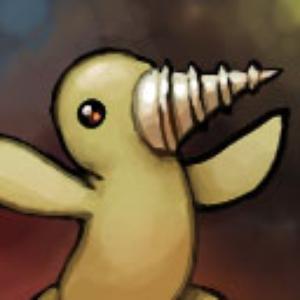
He Hates You So Much!
But that will come later. Don’t expect to have the time to do that for a few weeks. Or months. This game can eat time like no one’s business. Fortunately, even the time it takes to play can be customized to a degree.
To insure the game’s longevity, Gaslamp has equipped it to be fully mod ready, and many fan created add-ons exist. In fact, the second expansion pack, You Have To Name The Expansion Pack, consists of fan made work reskinned with Gaslamp art assests (which is a major reason why that DLC is free).
Whether you play games for entertainment, to scratch your problem solving itch or even just for the player communities, Gaslamp Games and Dungeons of Dredmor have a lot to offer you, and I highly encourage you to check it out.
 Nate Chen Publications